Grass-Fed Butter


1 pound
PastureLand
Organic Creamy Butter
Butter is a traditional fat that has been consumed for thousands of years
in cultures all over the world. When the anti-saturated fat campaign started in
the US, many people stopped using butter and switched to margarines made from
hydrogenated vegetable oils, high in trans-fatty acids. Trans-fatty acids are
now banned in some European countries, and food manufactures in the U.S. must
list all trans-fats used in their products as people seek to avoid them.
Butter is rich in short and medium chain fatty acids,
including even small amounts of lauric acid. It is rich in antioxidants as well,
in the form of beta carotene, vitamin E, and selenium. It is one of the best
sources of vitamin A. Because living grass is richer in vitamins E, A, and
beta-carotene than stored hay or standard dairy diets, butter from dairy cows
grazing on fresh pasture is also richer in these important nutrients. The
naturally golden color of grass-fed butter is a clear indication of its superior
nutritional value. (Searles, SK et al, “Vitamin E, Vitamin A, and Carotene
Contents of Alberta Butter.” Journal of Diary Science, 53(2) 150–154.)
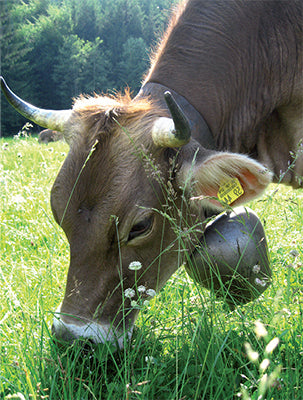
By nature, cows are grazing (grass-eating) animals. 85–95%
of dairy cows today are raised in confinement on a diet of grain, particularly
corn, because it is far more cost-efficient for agribusiness. This grain-based
diet can cause changes in the ph in cows, creating many abnormal physiological
conditions in the cow which can increase the need for the use antibiotics. Many
of these dairy cows are fed a variety of growth hormones to increase milk
production. Most grocery store shelves offer the dairy products from these types
of cows. Butter from grain-fed cows is very high in the omega-6 fatty acids, of
which most people are consuming too much due to the high amounts of omega 6
vegetable oils and foods in the US diet. The omega-3 fatty acids in most
conventional dairy products today are very low, and most people are dangerously
deficient in them. Milk from grass-fed cows has a much higher content of omega-3
fatty acids.
The CLA Advantage
Conjugated Linoleic Acid (CLA) is a naturally occurring free fatty acid found
mainly in meat and dairy products in small amounts. CLA was discovered by
accident in 1978 by Michael W. Pariza at the University of Wisconsin while
looking for mutagen formations in meat during cooking. The most abundant source
of natural CLA is the meat and dairy products of grass-fed animals. Research
conducted since 1999 shows that grazing animals have from 3–5 times more CLA
than animals fattened on grain in a feedlot. Simply switching from grain-fed to
grass-fed products can greatly increase your intake of CLA. (Dhiman, T. R., G.
R. Anand, et al. (1999). “Conjugated linoleic acid content of milk from cows fed
different diets.” J Dairy Sci 82(10): 2146–56.) Good butter
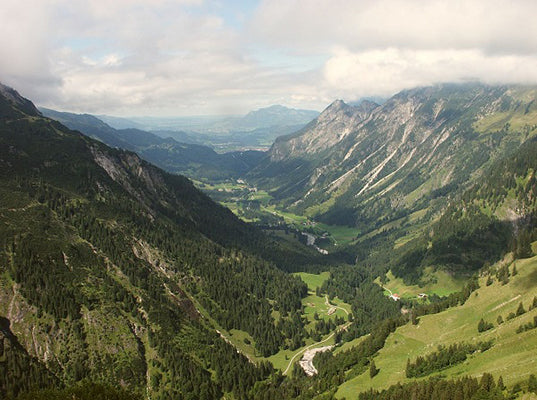
made from the milk of cows grazing on grass is hard to find these days. We offer
here some of the best butter found anywhere in the world: all from the milk of
grass-fed cows. Good butter from grass-fed cows is very distinct in its rich
yellow color, due to high amounts of beta carotene.
Note: Cold storage and frozen items like butter are
shipped from a separate location and have separate shipping charges from
non-cold storage items. Shipping charges depend on weight and zip code, and will
be chosen at check out. Orders are shipped Monday through Wednesday each week.
Due to the nature of the products, perishable food items such as meat, poultry
and dairy are not eligible for refund or return. If the shipment is damaged we
will replace it.
Orders are shipped Mondays through Wednesday each week.


PastureLand
Award Winning Organic Creamy Butter

PastureLand
grass-fed butter is produced from the milk of cows that spend their days grazing
lush southeast Minnesota pastures. The families of PastureLand are proud to
produce healthy food for you and your family.
Environmental stewardship and healthy cows are fundamental
to PastureLand farmers. Their pastures prevent erosion while providing a humane
environment for our cows and habitat for wildlife.
No
antibiotics or hormones, including rGBH/rBST, are used to enhance the growth or
production of their dairy herds.
When you buy PastureLand products you are assured of quality food from farm
families who care about the future of our earth.
PastureLand Grass-fed butter reflects the quality of the cream
from which it’s made.
Fresh, sweet milk is transported the day of milking to a local creamery where it
is churned at a small family-owned creamery in Wisconsin. Water is worked out of
the cream yielding butter that is rich and creamy, perfect for all sorts of
pastry work. The texture is silky, the color is bright, and the flavor is sweet.
Butter
is made only when the grass is green and lush—full of flavor and nutrients. The
butter’s golden color is naturally derived from beta-carotene in the pasture
grasses giving the Summer Gold Butter the look of “condensed sunshine.”

1 lb. each
3 PastureLand Butters, Organic (salted)
Order Here |
3 PastureLand Butters, Organic (unsalted)
Order Here |
|

1 lb. each
6 PastureLand Butters, Organic (salted)
Order Here |
6 PastureLand Butters, Organic (unsalted)
Order Here |
|
Was this information helpful to you? Share it with others:
*Note: Cold storage items like butter are shipped
from a separate location and have separate shipping charges from non-cold
storage items. Shipping charges depend on weight and zip code, and will be
chosen at check out. Orders are shipped on Mondays and Tuesdays each week.
Due to the nature of the products, perishable food items such as meat, poultry
and dairy are not eligible for refund or return.
Note: All of our fine butters are made from
pasteurized milk. US law prohibits us from selling raw butter.


©Copyright 2002-2012 Tropical Traditions, Inc. All Rights Reserved.
Tropical Traditions® is a registered trademark of Tropical Traditions, Inc.
America's source of Certified Organic Virgin Coconut Oil.
|